COMMUNITY HEALTH
Groundwork Denver works directly with community members to address climate change — specifically in areas where more people of color and people with low-incomes reside. As temperatures rise and weather becomes less predictable, these are the communities most impacted by environmental injustices like heat, flooding, poor air and water quality, and faltering home weatherization.
Through our Community Health program, we respond to community needs to help residents be more resilient to climate change impacts. The City of Denver’s Climate Adaptation Plan recognizes an increase in temperature and urban heat island effect as a key potential climate change impact for Denver. Extreme heat events can cause a range of health problems including heat stroke and ultimately death. Exposure to extreme heat can also aggravate pre-existing diabetes, respiratory illnesses, and nervous system disorders. Additionally, hot, sunny days can result in an increased rate of ground-level ozone formation. Ground-level ozone exposure can cause harmful cardiopulmonary health effects, including shortness of breath and aggravation of lung diseases such as asthma, emphysema, and chronic bronchitis.
People living in Denver’s lower-income neighborhoods are more vulnerable to extreme heat events because of poor housing infrastructure, fewer trees, and parks, less mobility (e.g. fewer cars, inadequate public transportation, poor bike/ped infrastructure), and less access to resources. We’re working to make our communities more resilient by improving housing infrastructure, implementing nature-based infrastructure, and connecting people to each other, and providing emergency preparedness resources.
For more information, visit: https://groundworkusa.org/climate-safe-neighborhoods/ or contact us at info@groundworkcolorado.org.
AIR QUALITY
Groundwork Denver works with neighborhood residents to identify air quality concerns, including odor and poor air quality from industry and traffic congestion. We help residents understand air quality data and what it means for their health and the health of their family and their community. We support community leaders in actions to improve their air.
Since 2010, we have been working in the Globeville, Elyria, and Swansea neighborhoods of Denver to understand the causes of air quality concerns, starting with odor, and we are now focused on the I-70 expansion project. Our partners have included the University of Colorado Boulder, National Jewish Health, and the City and County of Denver.
In 2026, we have a program to supply free indoor air purifiers to residents of Adams County. If you live in Adams County and are interested in receiving a free air purifier, please fill out our Interest Form!
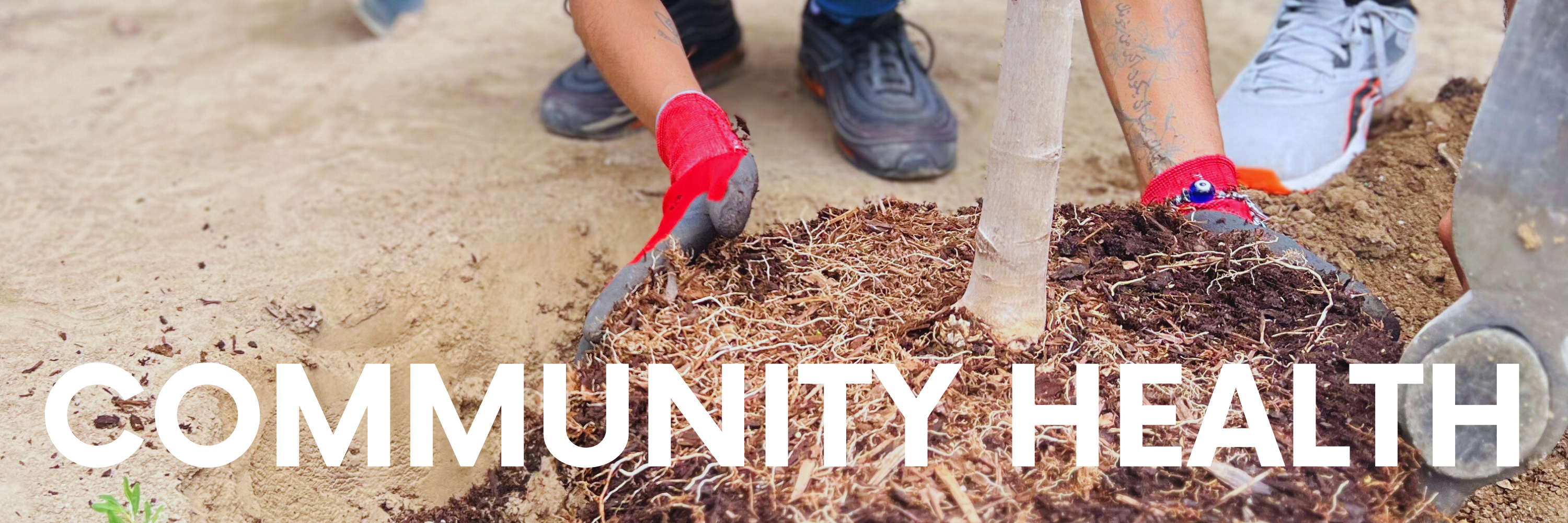
Don't forget about the trees! We also offer free or low-cost trees to residents in eligible neighborhoods. Trees help filter air pollution, cool our streets, and reduce flooding. If you're interested in getting a tree planted at your property, please fill out our Tree Planting Interest Form!
ROOTS IN SHERIDAN
Every spring, Groundwork Denver participates in the Roots in Sheridan tree planting event. More information can be found on the City of Sheridan website. Check our Event Calendar for tree planting volunteer opportunities.


Last updated 2026